The Team
About Us
The people behind FLAUSBAU

That’s us:
An interdisciplinary team of conservationists, scientists, and practitioners.
NABU Rheinland-Pfalz

Niklas Kukat
Project coordination
NABU Rheinland-Pfalz e.V.
Niklas Kukat
Project coordination
“Raised in the rural Westerwald, I have always been deeply interested in the vibrant world around us. As biodiversity loss—also here in Europe—remains one of our most pressing challenges, I have dedicated my professional work to its conservation. Since my university studies, I have placed a particular focus on our secret lodgers: bats that inhabit buildings. Together with my colleagues at NABU, I am responsible for the project coordination and development of bat boxes.”
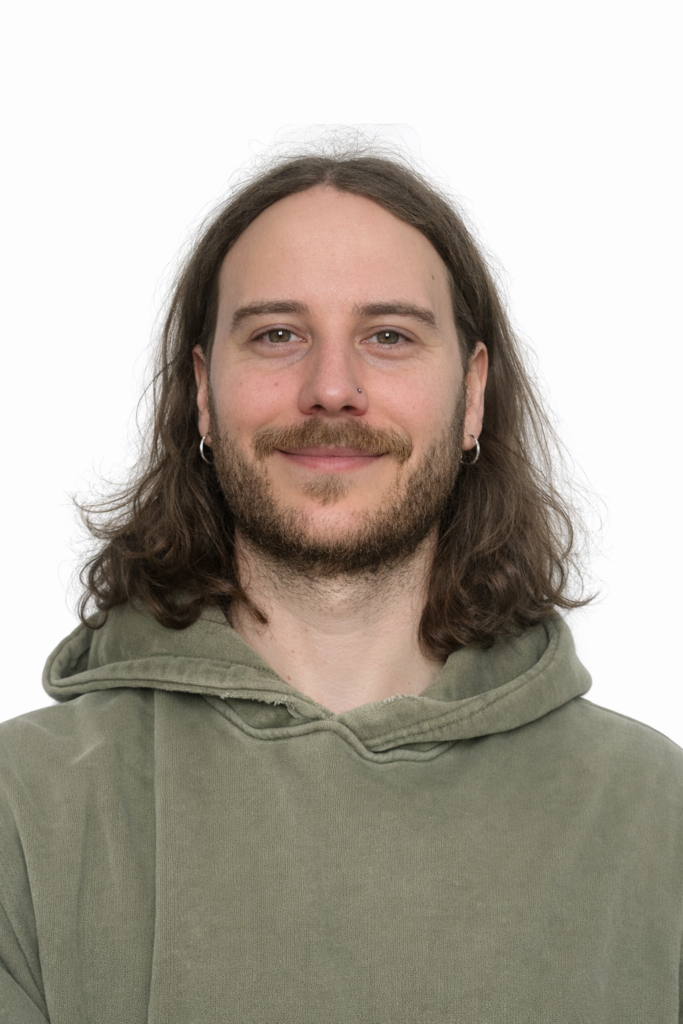
Dipl.-Ing. David Roth
Project coordination
NABU Rheinland-Pfalz e.V.
Dipl.-Ing. David Roth
Project coordination
“Whether human or bat, every animal deserves a comfortable home that meets its needs. As head of the Rhineland-Palatinate Bat Conservation Coordination Center and with my background as a graduate engineer in process engineering and natural materials technology, my main role at FLAUSBAU is to oversee the development and construction of bat boxes.”

Sonja Beutelmann
Project Coordination
NABU Rheinland-Pfalz e.V.
Sonja Beutelmann
Project Coordination
“For me, incorporating the needs of bats into open-space planning is not just a path to multispecies justice – means to greater fairness for all living beings in planning decisions. It also promotes the preservation of vital ecosystem services for humans. Flausbau supports these important goals.”
Leibniz-IZW
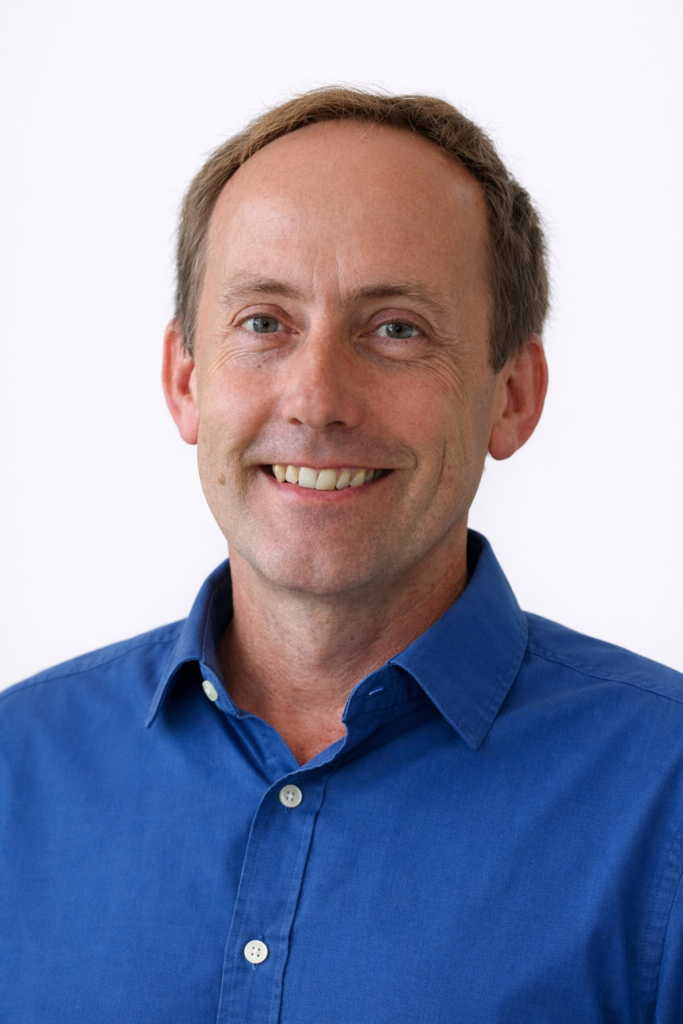
Prof. Dr. Christian Voigt
Scientific lead
Leibniz-IZW
Prof. Dr. Christian Voigt
Scientific lead
“At the Leibniz-IZW, I lead a department that deals with solving human-wildlife conflicts worldwide. The FLAUSBAU project is based in Germany and aims to ensure that bats remain our neighbors despite energy-efficient building renovations, thus securing a future for them in our cities. In the FLAUSBAU project, I am particularly pleased about the close collaboration with an environmental association, the NABU Rhineland-Palatinate. This is what effective bat protection can look like in a rapidly changing environment.”
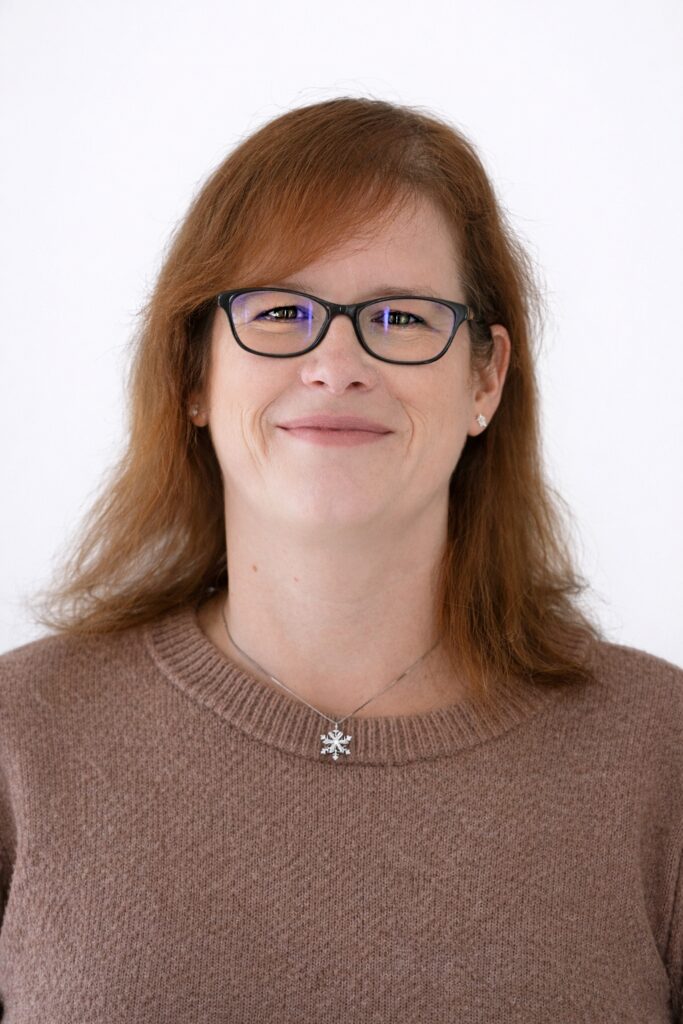
Dr. Christine Reusch
Research associate
Leibniz-IZW
Dr. Christine Reusch
Research associate
“Animals have always fascinated me, especially bats, which I have been researching since my doctoral studies. As a wildlife biologist, I care deeply about fostering a harmonious coexistence between humans and animals. Finding sustainable solutions to protect our animal neighbors is particularly important to me. In the FLAUSBAU project, I am responsible for the scientific monitoring, assessing whether the developed roosts are used by bats and analyzing the collected data.”
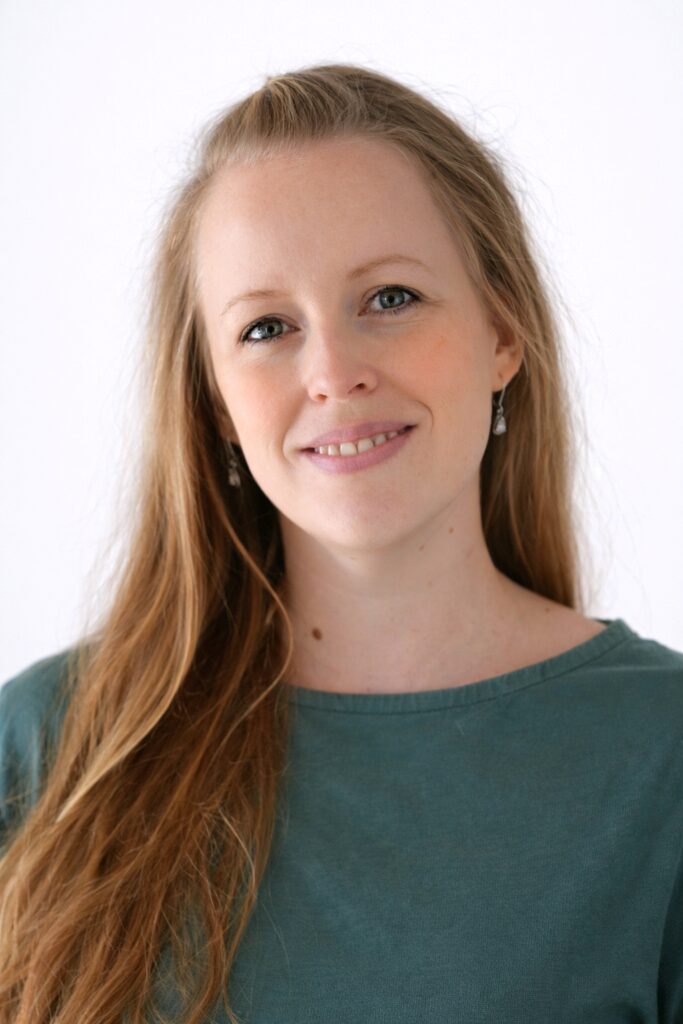
Dr. Carolin Scholz
Research associate
Leibniz-IZW
Dr. Carolin Scholz
Research associate
“Wildlife fascinates me – I want to understand how animals cope in our human-made world. This passion led me into science, because effective species and nature conservation depends on solid evidence. As a wildlife biologist, and as a volunteer in bat conservation, I am committed to ensuring that research has real-world impact. In the FLAUSBAU project, I scientifically support the implemented measures and systematically assess whether they provide a viable solution to the roost shortage faced by building-dwelling bats.”
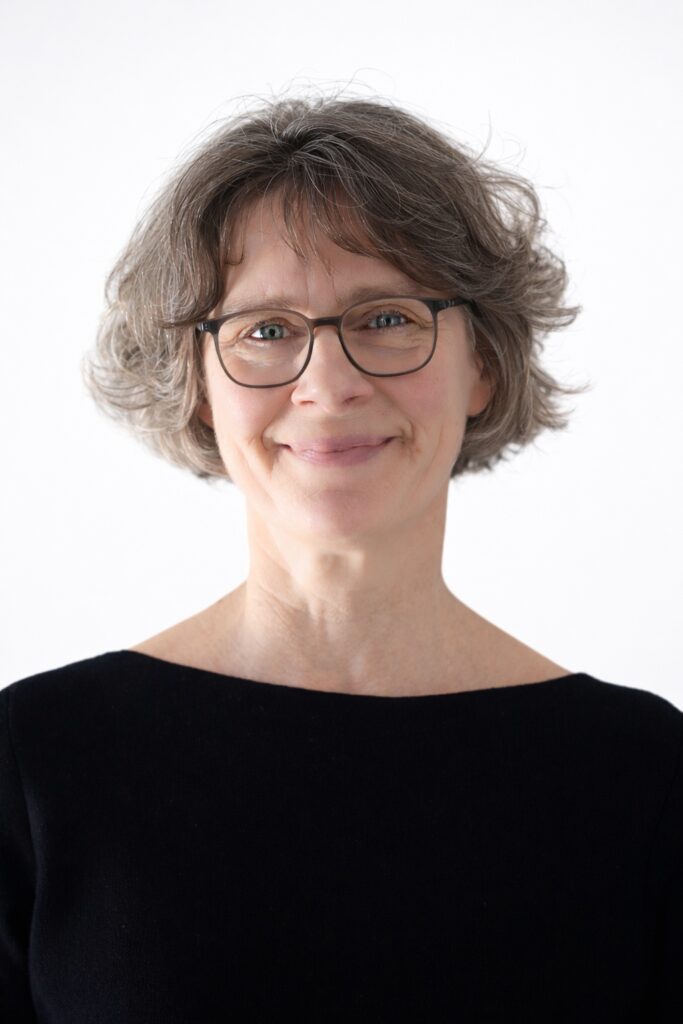
Meike Matthews
Project Assistance
Leibniz-IZW
Meike Matthews
Project Assistance
“I work as a department assistant and enjoy supporting our team with administrative matters. I particularly like organizing tasks and working through to-do lists in a structured way. The FLAUSBAU project is especially meaningful to me, as it has a direct and positive impact on our neighbors, the bats.”
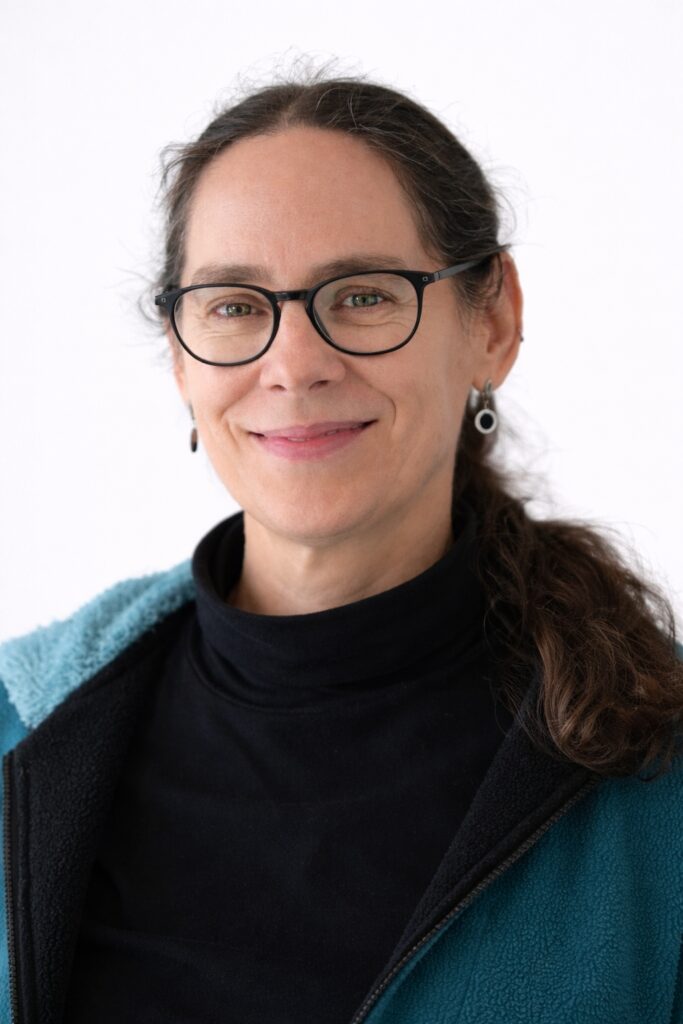
Fabienne Pritsch
Laboratory Work
Leibniz-IZW
Fabienne Pritsch
Laboratory Work
“As a biological technical assistant, my professional roots lie in human genetics at the Charité, where my enthusiasm for genetic methods first developed. Since 2018, I have been studying the diet of bats using metabarcoding at the Leibniz-IZW. I am particularly fascinated by how laboratory work can provide direct insights into their lives. In the FLAUSBAU project, I am responsible for the laboratory methods component.”
Project Partners
NABU Rheinland-Pfalz
Project coordination and implementation of species conservation measures
The Nature and Biodiversity Conservation Union (NABU) is the oldest environmental association in Germany and, with almost one million members, also the largest. As a non-governmental organisation, NABU is committed to protecting nature and the environment by implementing projects that promote the conservation of ecosystems and the protection of individual animal and plant groups. NABU Rhineland-Palatinate also implements these efforts, primarily at the federal state level. With projects such as "Swallow-friendly houses", "Church towers as habitats", "Bats welcome!" and, last but not least, the Rhineland-Palatinate Bat Conservation Coordination Centre, founded in 2023, NABU RLP is already placing a clear focus on the protection of urban habitats and bats.
Leibniz-IZW
Scientific support and monitoring
The Leibniz Institute for Zoo and Wildlife Research (Leibniz-IZW) is a non-university research institution of the Leibniz Association dedicated to the study of wild animals and their habitats. The institute's goal is to establish a scientific basis for the protection of wild animals, the preservation of biological diversity and the sustainable coexistence of humans and wild animals. Research at the Leibniz IZW is interdisciplinary in nature and ranges from basic research and applied ecological studies to concrete recommendations for action in the areas of nature conservation, wildlife management and policy. Through national and international research projects, close cooperation with nature conservation organisations, authorities and practical partners, and active knowledge transfer, the Leibniz-IZW contributes to the long-term conservation of wild animals and their habitats and promotes social dialogue on the treatment of wild animals.
Project-Based Working Group
A panel of experts comprising representatives from government agencies, planning firms, associations,
and the construction industry advises the Flausbau project through regular meetings:
Jeremy Anterola – Landscape Architect | Juliane Bauer – Berlin Senate | Nina Dommaschke – Berlin Senate |
Christian Giese – Nachtfauna Planning Office | Henri Greil – Architect | Thomas Hauck – Landscape Architect |
Uwe Hoffmeister – natura Planning Office | Andreas Kiefer – Ministry for Climate Protection, Environment,
Energy, and Mobility of Rhineland-Palatinate | Jochen Krebühl – Rhineland-Palatinate Nature and Environment
Foundation | Metke Lilienthal – Rhineland-Palatinate Nature and Environment Foundation | Julia Lorenz –
NABU Berlin | Lina Lüttgert – Federal Agency for Nature Conservation | Florian Mayer – Federal Agency for
Nature Conservation | Markus Melber – Federal Association for Bat Research | Rachel Schmitt – Rhineland-Palatinate
State Office for the Environment | Dietmar Siemeister – Energy Consultant | Tobias Teige – Office for Faunistic and
Ecological Expert Reports | Jens Teubner – Brandenburg State Office for the Environment
Get in Touch
Do you have questions about the FLAUSBAU project or want to get involved? We look forward to hearing from you!

Flausbau@NABU-RLP.de

Phone
+49 6131 140 39-0

Address
NABU Rheinland-Pfalz
Frauenlobstr. 15-19
55118 Mainz