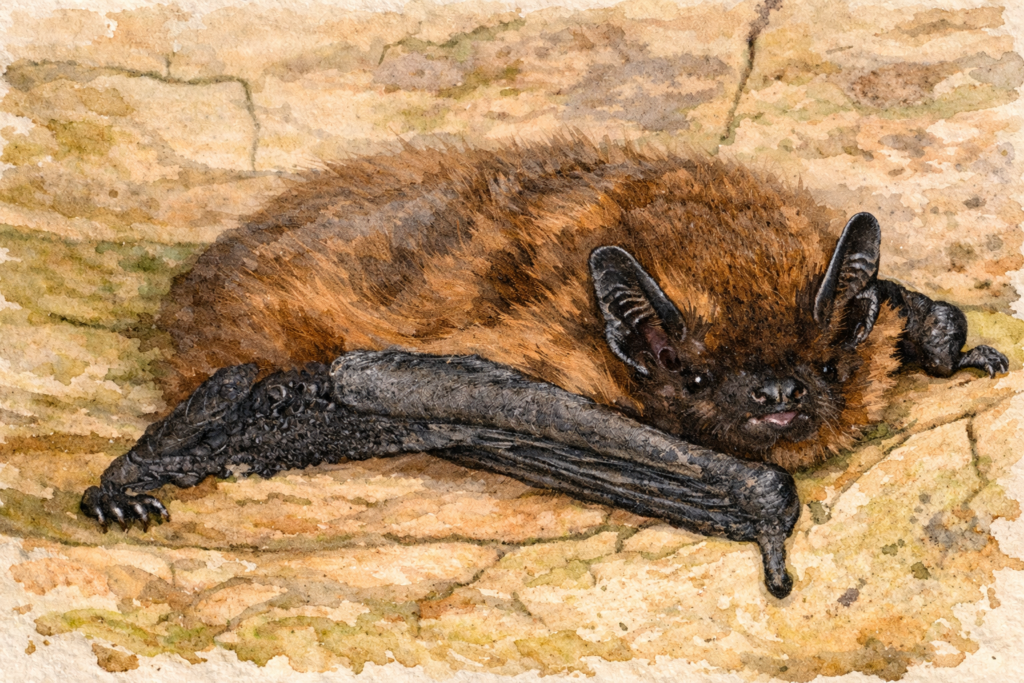
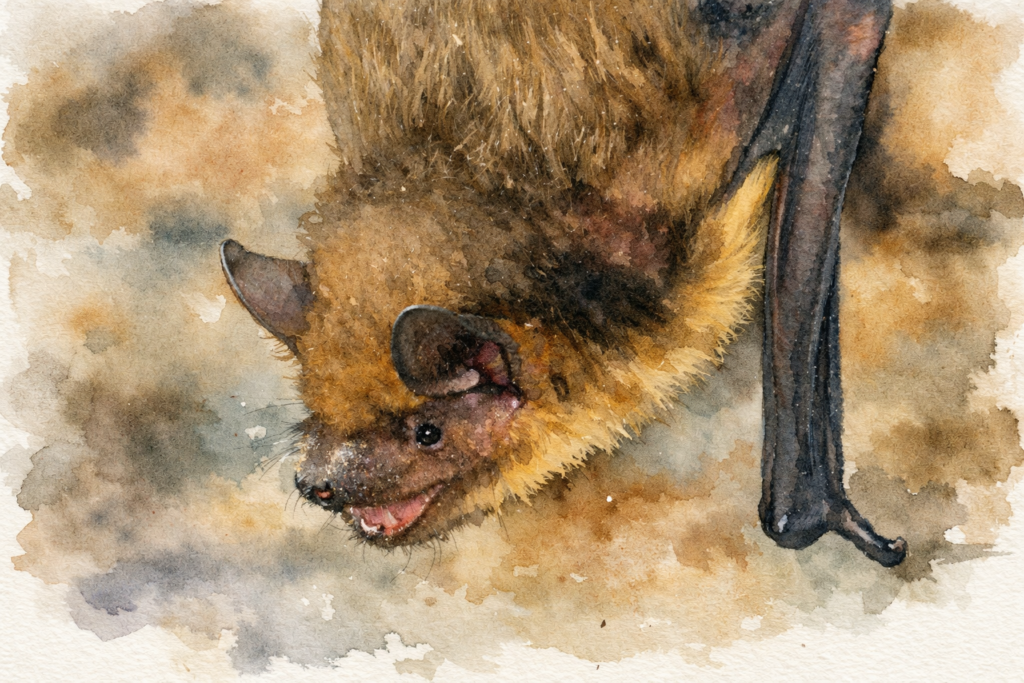
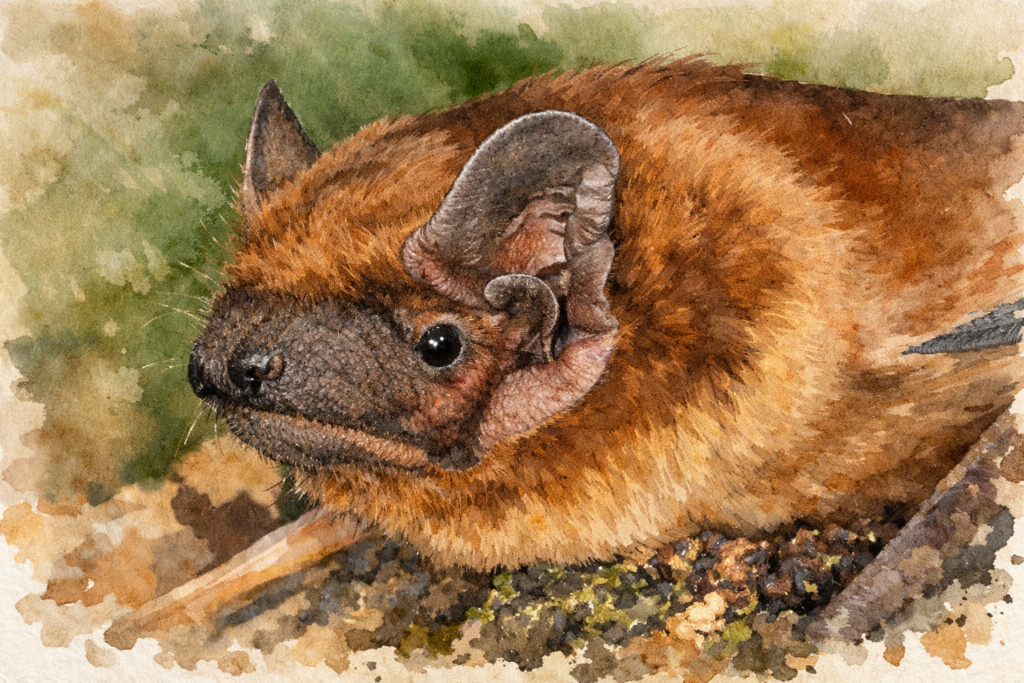
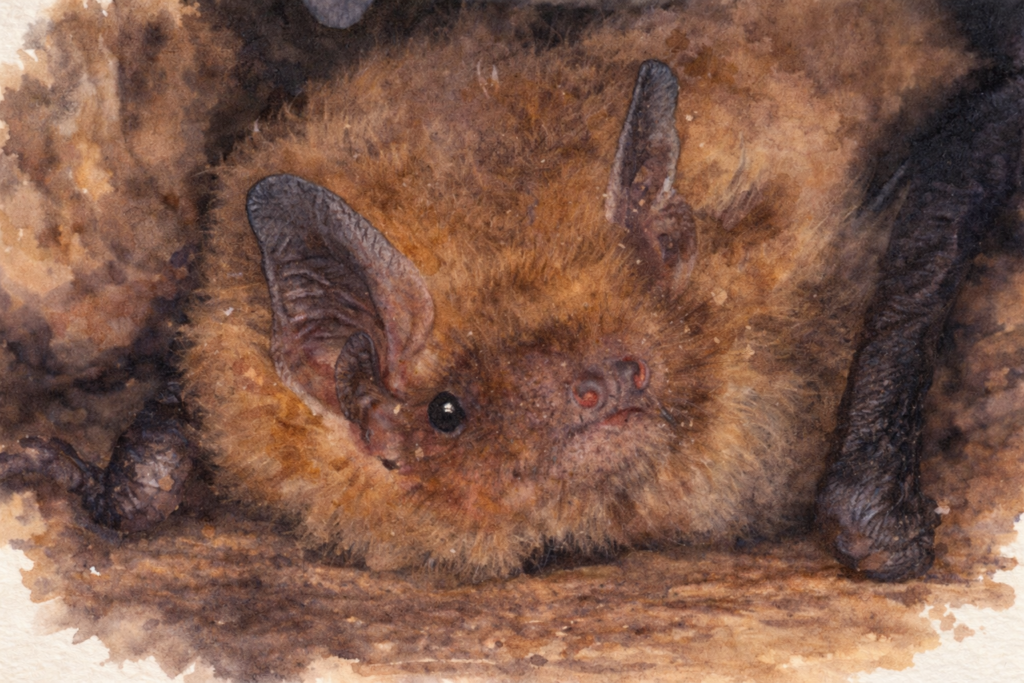
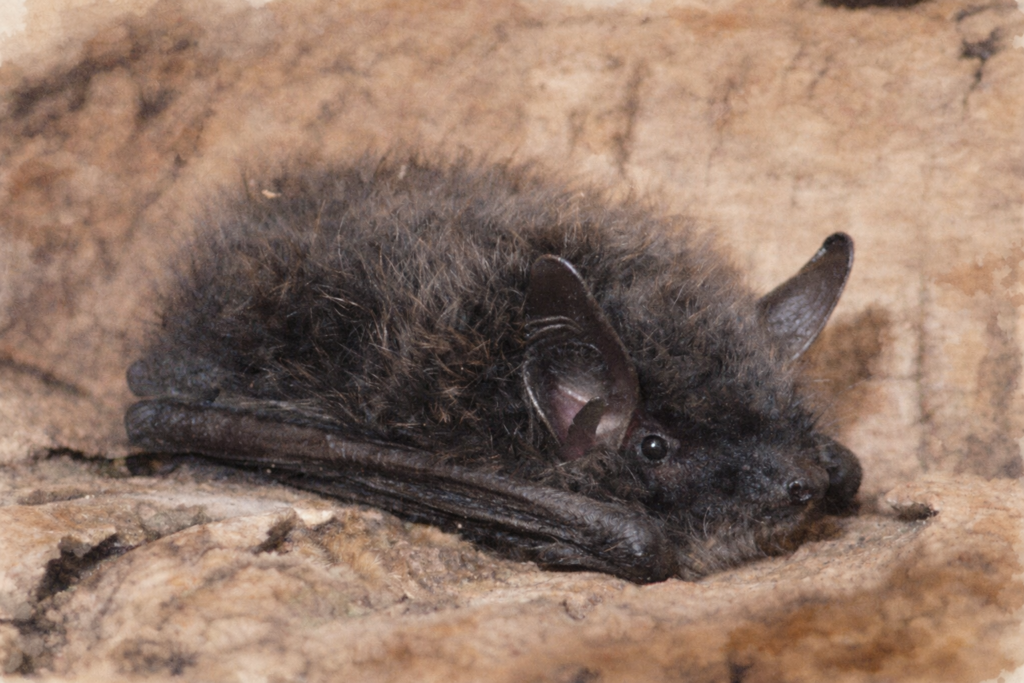
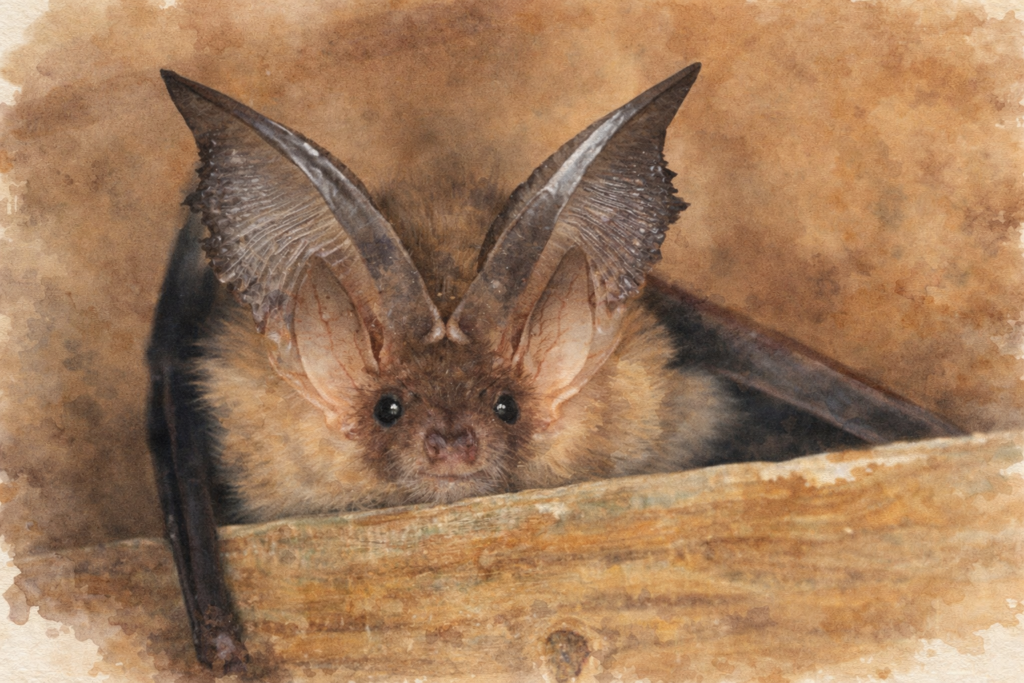
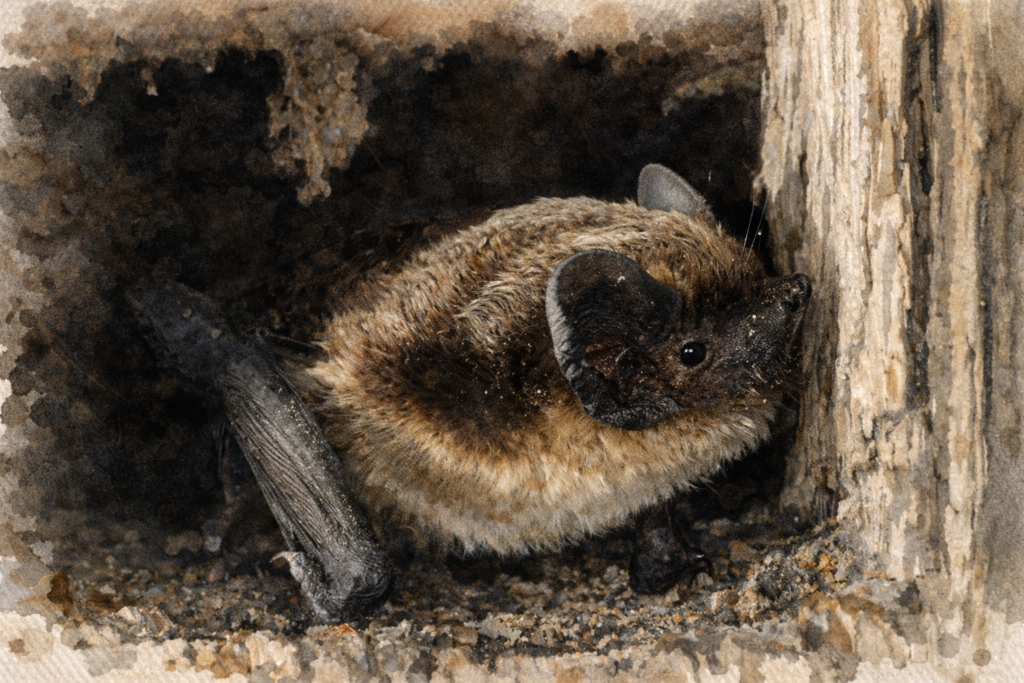
As synanthropic animals, many bats are heavily dependent on habitats created by humans. Many species seek resting places on buildings in residential areas. Old buildings in particular offer suitable roosting opportunities for bat species that inhabit buildings. There, roosting sites are often found in crevices in the masonry, behind wall cladding, in the loft or in the roof space. Without adequate surveys under species protection legislation, these roosting sites are often difficult to locate – particularly as they are used mainly by smaller species.
More than 70% of buildings in Germany are older structures built before 1980. Due to the nature of the older building fabric, these structures often provide roosts for bats. However, this abundant supply of roosting sites is rapidly declining. Against the backdrop of the goal of achieving climate neutrality in the construction sector in the near future, older buildings in particular are being refurbished to improve their energy efficiency – as a third of these have already undergone.
These refurbishment works do not need to be reported. This means that such works – particularly in smaller buildings – are not subject to official scrutiny, which might otherwise require species protection assessments if bats were suspected to be present. As it is difficult to confirm the presence of roosts, they are often overlooked during refurbishment works. Furthermore, private building owners are often unaware of the strict protection afforded to bats and frequently fail to report the discovery of a roost.
With the increasing number of energy-efficient refurbishments, the habitat of bats living in buildings is dwindling. This is because modern new buildings rarely offer suitable hiding places, and refurbished old buildings often lose existing bat roosts. There is a risk that populations of bat species inhabiting buildings will be massively reduced in the future as a result of energy-efficient refurbishments, leading to local disappearances if appropriate measures are not taken to preserve and increase roosting potential.